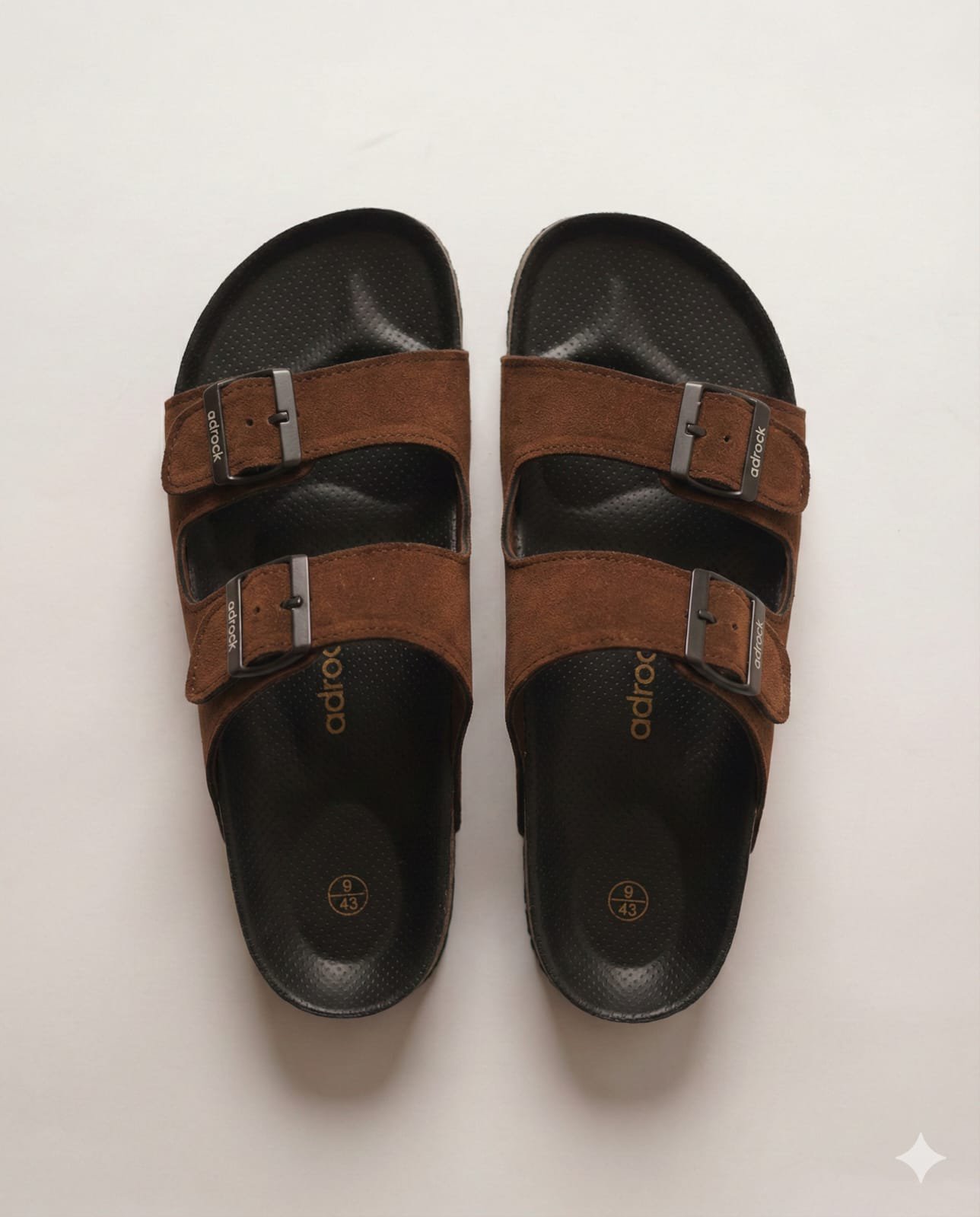
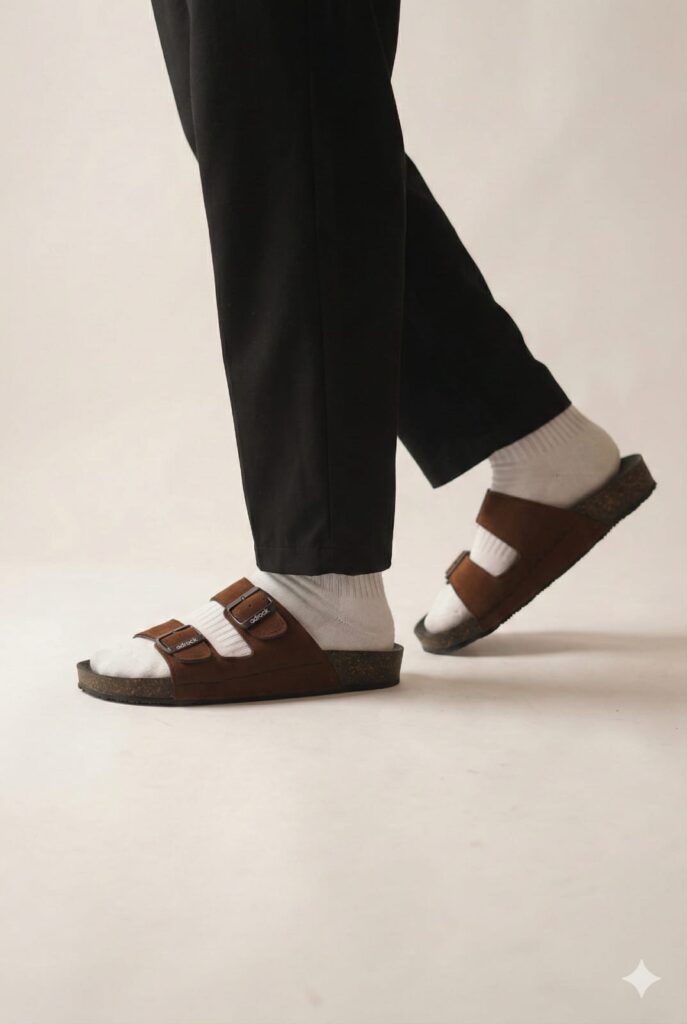
When the temperature rises, the debate begins: is it finally time to wear mens sandals? For years, men have been told that sandals are either for the beach or for toddlers. But in 2026, the landscape of men’s summer footwear has shifted. Sandals are no longer just an afterthought; they are a cornerstone of a versatile, high-end wardrobe.
However, not all sandals are created equal. Choosing the wrong pair can lead to more than just a “style crime”—it can lead to plantar fasciitis, blisters, and wasted money. Here is everything you need to know about navigating the world of open-toed footwear.
More Than Just Flip-Flops: The 4 Essential Categories
1. Casual Slides & Thongs
The most common entry point. Flip-flops (thongs) are perfect for the pool or short-distance walking. Slides have gained massive popularity recently as a “streetwear” staple.
- Best for: Beach, gym, quick errands.
- Look for: Anatomical arch support to prevent foot fatigue.
2. Leather Sandals
The gold standard for any man looking to maintain a sense of style. Leather sandals for men provide a polished look that pairs perfectly with chinos or linen. They are the only category of sandal that truly looks better with age as they develop a unique patina.
3. Sports & Adventure Sandals
If your summer involves water crossings or light hiking, you need technical support. These feature rugged rubber outsoles (often Vibram) and adjustable nylon straps to keep your foot locked in place. Browse our Adventure Collection for sandals built for the trail.
Material Deep Dive: Leather vs. Synthetic vs. Rubber
The material of your sandal dictates its lifespan and comfort level.
| Material | Pros | Cons | Best For |
| Full-Grain Leather1 | Breathable, molds to your foot, lasts years.2 | Higher cost, requires break-in. | Dinner, Work, City Walking. |
| EVA / Synthetic | Lightweight, waterproof, affordable. | Can trap heat/odor, shorter lifespan. | Pool, Beach, Recovery. |
| Rubber | Maximum grip, indestructible. | Heavy, zero breathability. | Wet conditions, Adventure. |
The Anatomy of a High-Quality Sandal (Checklist)
Before you hit “Buy Now,” check for these three quality indicators:
- Contoured Footbed: Does the sole have a “cup” for your heel and a “bump” for your arch? If it’s flat as a pancake, your back will pay the price.
- Stitched Construction: Look for visible stitching connecting the upper to the sole. Glue-only construction often fails in high heat.
- Adjustable Straps: Every foot is different. At least one point of adjustability (usually at the ankle) is essential for a secure gait.
How to Fit Sandals Correctly
A common mistake is buying sandals that are too small, leading to “overhang.” Your foot should sit entirely within the stitched perimeter of the footbed. There should be about 5mm to 10mm of space in front of your toes and behind your heel to allow for natural foot expansion during the day. Not sure how to pull the look together? Read our Guide to Styling Sandals with Trousers
Leave a Reply