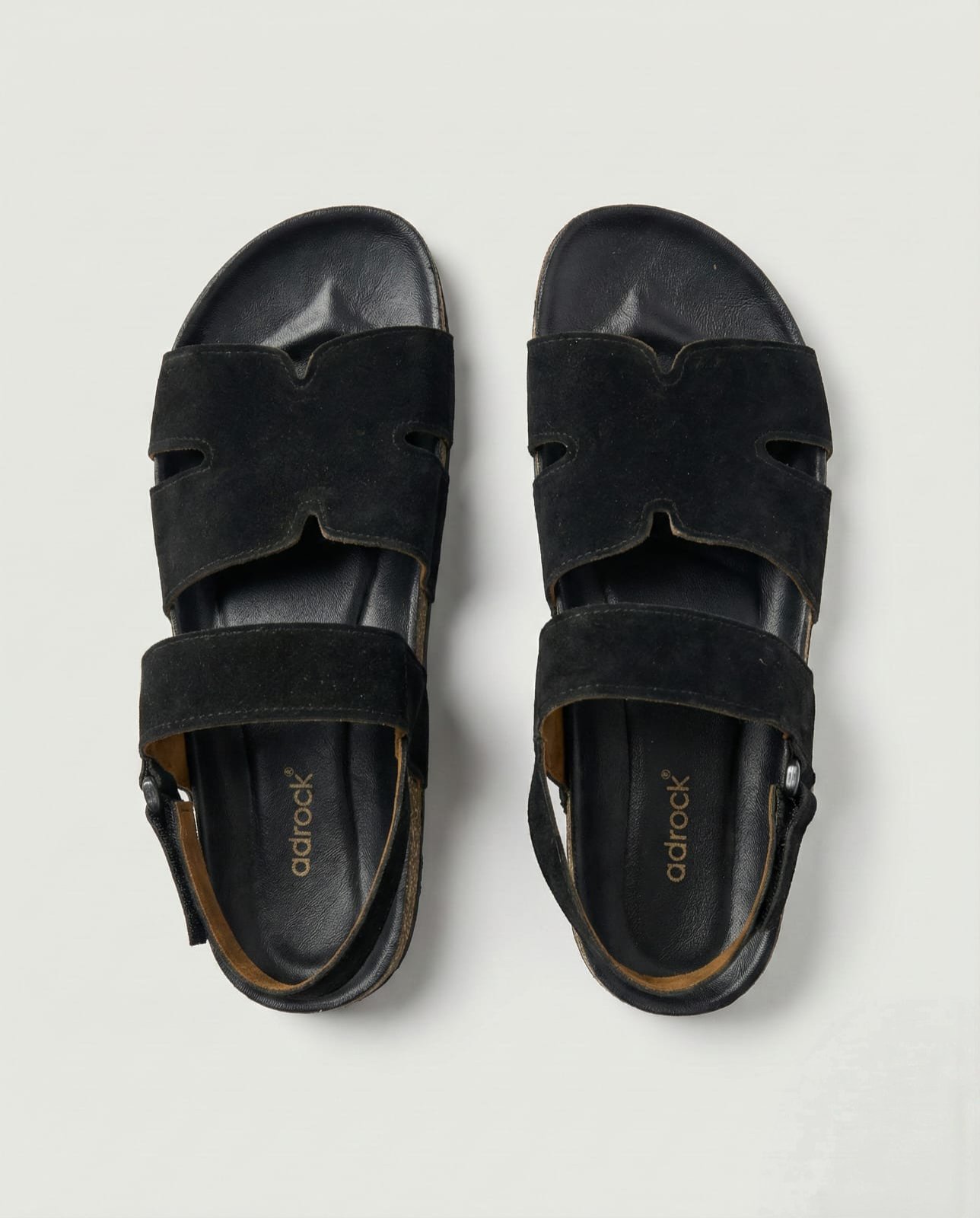
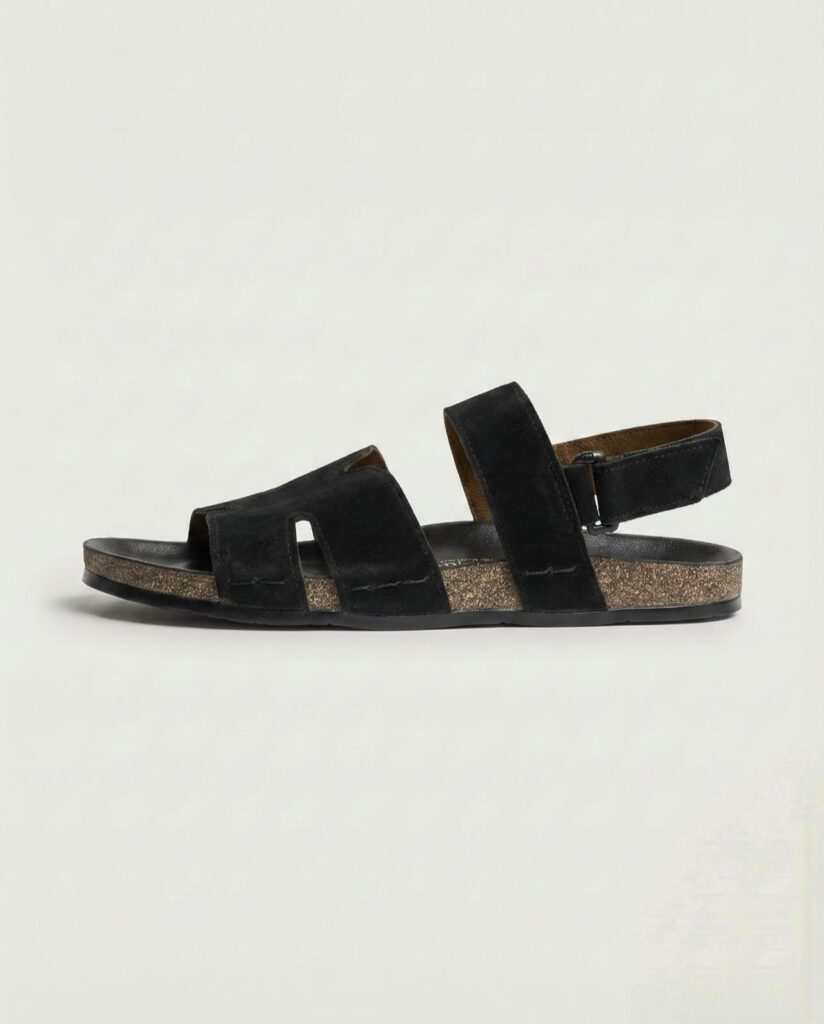
When your weekend plans involve more than just a stroll to the coffee shop, your footwear needs to keep pace. For the modern adventurer, mens sport sandals are the ultimate hybrid—offering the breathability of a flip-flop with the structural integrity of a hiking boot.
But as any seasoned hiker knows, the trail is unforgiving. A “sport-style” sandal that prioritizes looks over lugs is a recipe for a twisted ankle. To find a pair that actually performs, you need to look past the branding and into the technical specs.
The Core Pillars of Performance Outdoor Footwear
Traction Control: Evaluating Lug Depth
The soul of a sport sandal is its sole. For true tactical sandals for men, look for multi-directional lug patterns. Lugs (the bumps on the bottom) should be at least 3mm to 4mm deep to bite into loose dirt or gravel. We recommend rubber compounds like Vibram® or proprietary high-friction rubber that maintains grip on wet river stones.
The Support System: Anatomical Footbeds
Unlike lifestyle sandals, mens sport sandals must handle high-impact movements. Look for compression-molded EVA or PU midsoles. These materials provide essential shock absorption, protecting your knees and lower back during long treks. Ensure the pair offers a “deep heel cup” to keep your foot centered over the cushioning.
Strap Integrity: Why Webbing and Neoprene Matter
A performance sandal is only as good as its lockdown. Look for hydrophobic polyester webbing—it’s durable, dries quickly, and won’t stretch when wet. For those prone to blisters, ensure the straps are lined with neoprene or soft jersey to reduce friction against the skin.
Water-Ready vs. Trail-Ready: Choosing Your Terrain
Not all sport sandals are built for the same environment:
- The Amphibious Explorer: If you’re kayaking or canyoneering, prioritize waterproof hiking sandals with drainage ports and toe guards (like a closed-toe design) to protect against submerged rocks.
- The Summer Trekker: For dry, dusty trails, an open-toe design with maximum strap adjustability allows for better ventilation and heat management.
Durability Check: How to Spot a Sandal That Won’t Fail
A “cheap” sport sandal usually fails at the attachment points. Check where the straps enter the sole; they should be “shrouded” or integrated into the footbed rather than just glued to the side. Heavy-duty TPU (Thermoplastic Polyurethane) inserts at the hardware points are also a sign of a durable outdoor footwear build designed for years of abuse.
Gearing up for the mountains? See our Top Rated Hiking Collection for peak performance.
Leave a Reply